There has been much chatter lately on Twitter and in the blogosphere about the use of social media in healthcare. According to a story written by Les Masterson and appearing in HealthLeaders Media , use of this new technology may be just what the doctor ordered.
It seems that The Microsoft Health Engagement Survey 2009, conducted by Kelton Research, shows that most people still don’t visit their health plans’ websites or believe their insurers support their health. Still, survey respondents say they are interested in their health plans connecting with them via e-mail and phone for electronic coaching. The key, they say is that they want those services integrated into their lives.
Masterson points out in his article that the consumerism movement with insurers and employers pushing more out-of-pocket costs onto members has led insurers to invest in online components in hopes of creating more educated consumers. However, nearly half of those surveyed think health plans only support them when they need a doctor.
According to Masterson, the disconnect occurs as a result of consumers simply not visiting their health insurers’ websites. Though 82% of insurers provide websites with health and wellness information, nearly three-quarters of respondents visited their insurers’ websites fewer than six times a year. That includes 16% who never visited their insurers’ sites and another 16% who only went on the sites one or two times in the past year.
The survey revealed that of those who actually visited the carrier’s website, nearly half went to find provider lists or coverage information. Only one-third checked out information on health and wellness and this was mostly after a diagnosis had occurred. In other words, they were not being proactive.
So with health plans and employers pushing to control chronic diseases, how do they communicate wellness messages to their members? There are some hints in the survey results. First, the vast majority of people surveyed said healthcare technological solutions are inviting, and secondly, most respondents said they were interested in communicating with their insurer through e-mail.
In fact, more than half of the respondents said they are interested in using e-mails to ask questions about benefits and coverage; receive feedback about their health; and get encouragement, reminders, and advice on diet and exercise.
In other words, people seem to want to communicate with their health plans using technology, but it must be done as part of their normal use of the media.
Does this mean that I am going to “Friend” my health plan on Facebook so I can receive a reminder to have my annual checkup while I am checking out what my friends and family are up to? Why not? Should I “Follow” my health plan on Twitter so that I can get tips on dealing with the summer heat? Sure. Would I read an e-mail message from my health plan and click to a link containing my latest EOB and tips on how to save money on my next prescription. Definitely.
Hopefully, health plans will use this research as an incentive to continue to push forward on the use of e-mail and social media to better communicate with their members and to help them control chronic illnesses that can become so expensive when they go unmanaged. Sure, there are privacy challenges, but it is worth working to overcome these challenges to reach members with pertinent and timely messages.

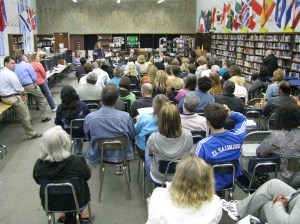 As an advocate for quality education in our communities, I helped spread the word about this summit (as I have done for other public, private and charter school events), because I believe information to be vitally important to parents so they can make the best decision for their children., Board member Marlene Canter, Parent Advocate Bill Ring, Local Dist 3 Supt Michelle King along with support from CFO Megan Reilly and incoming board member Steve Zimmer were all on the panel to discuss current district/budget issues as it relates to local area schools., I found the information that was discussed to be honest and the facts offered seemed to be based in the difficult budget reality we are are faced with. This summit and others like it that are happening throughout our communities, are critical components to the overall puzzle as we move toward greater schools. Teachers and parents (including myself) are quite concerned about the long-term impact this all will have., As questions came into the panel, two Venice High School students asked for a few minutes of microphone time to share with the group their newly formed Venice Student Union with the belief that students themselves should have a seat at the table. Additionally, I recognized members from various stakeholders in the audience, including LAUSD/district administrators/staff, Green Dot/Parent Revolution personnel, and others., There has already been some discussion of additional forums (like this one) for our community and I look forward to supporting, participating and learning. I have found that many who attend meetings such as these to be well informed and are often the individuals that take the important steps needed for better schools and healthier communities.
 John Ayers